
Guide to Storm Debris Removal in Tuscaloosa: Tips for Safe and Efficient Cleanup
When a storm hits Tuscaloosa, the aftermath can leave behind a significant amount of debris. Proper cleanup is essential not only for safety but also for restoring your property to its former state. This guide will provide you with essential tips for safe and efficient storm debris removal.
Assessing the Damage
Before diving into the cleanup, it's crucial to assess the extent of the damage. Walk around your property and take note of fallen trees, broken branches, and any damage to structures. This initial assessment will help you prioritize tasks and gather the necessary tools and resources.
Remember, safety is paramount. Ensure that there are no downed power lines or hazardous materials before proceeding with the cleanup. If you encounter any dangerous situations, contact local authorities or utility companies for assistance.

Gathering the Right Tools
Having the right tools can make the cleanup process more efficient. Some essential tools include:
- Gloves and Safety Gear: Protect yourself with gloves, goggles, and sturdy boots.
- Chainsaws and Pruners: These are essential for cutting through large branches and fallen trees.
- Rakes and Shovels: Useful for collecting smaller debris and leaves.
- Trash Bags and Bins: Ensure you have enough bags to collect and sort debris.
Organizing your tools beforehand will save you time and effort during the cleanup process.
Prioritizing Debris Removal
Start by removing any large, obstructive debris that poses immediate safety risks. This includes fallen trees or large branches blocking pathways. Once the major hazards are cleared, you can focus on smaller debris.
Consider creating separate piles for different types of debris, such as organic materials and non-organic waste. This will streamline disposal and recycling efforts.
Safe Disposal Practices
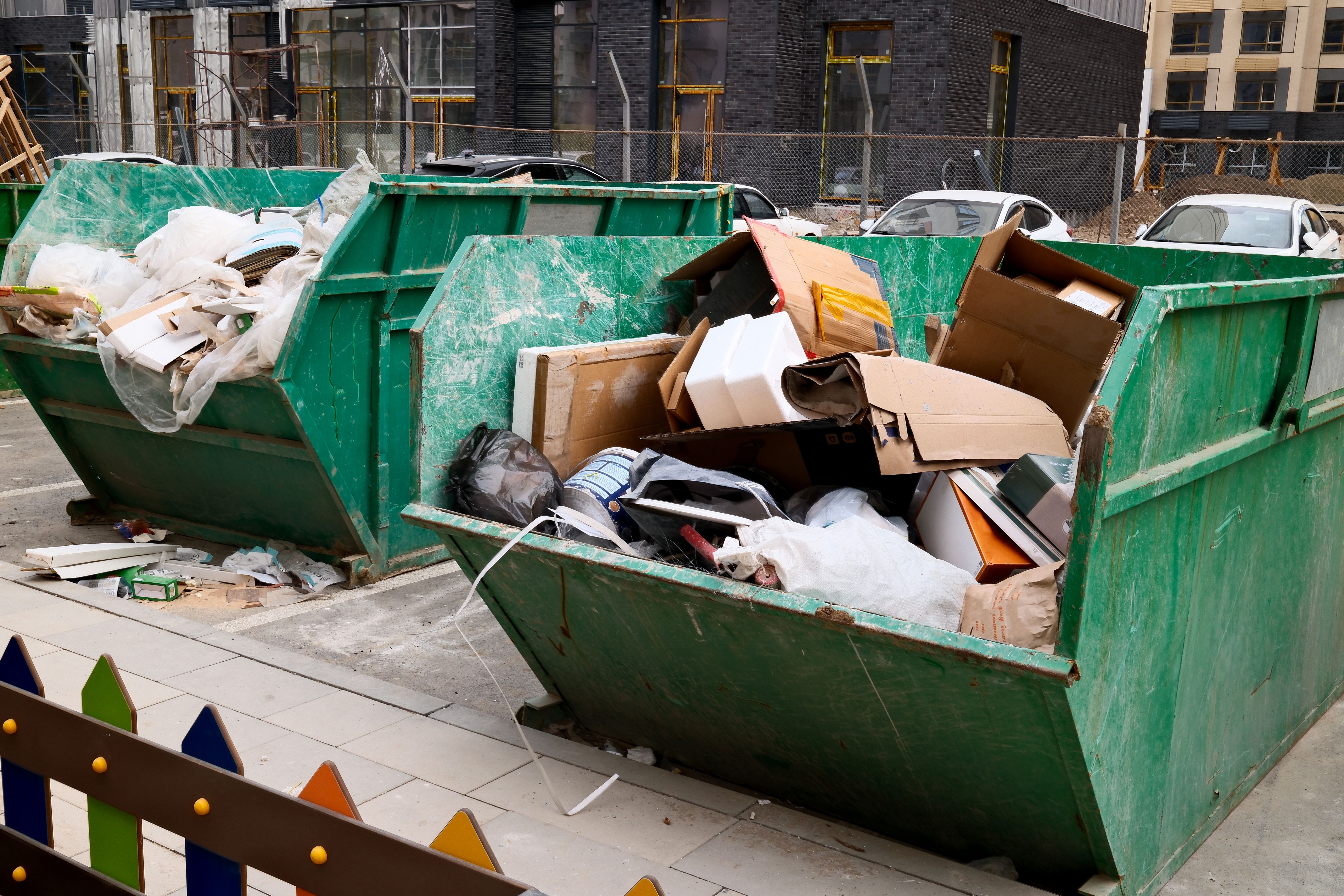
Proper disposal is crucial to ensure environmental safety. Contact local waste management services for guidelines on disposing of storm debris. Many areas offer special pickup services after severe storms, which can be a convenient option.
For organic materials, consider composting if possible, or check if local facilities accept yard waste for composting. Recycling centers may accept certain types of debris, so inquire about available options.
Hiring Professional Help
In some cases, the extent of storm damage may require professional assistance. Hiring a reputable debris removal service can save time and ensure safe handling of hazardous materials. Make sure the service is licensed and insured for your peace of mind.
Preventative Measures for Future Storms
Once the debris is cleared, consider implementing preventative measures to minimize damage from future storms. Regularly trimming trees and securing outdoor furniture can significantly reduce debris during severe weather.
Additionally, installing storm shutters and reinforcing structures can provide extra protection for your property.
By following these tips, you can ensure a safe and efficient storm debris removal process in Tuscaloosa. Remember that preparation and safety are key to managing the aftermath of any storm effectively.